
FAQ
Find answers about Carbium’s Solana ecosystem. RPC, DEX, Data, Validator and Web3 tools. Swiss-Engineered infrastructure powers builders.
FAQ
Find answers about Carbium’s Solana ecosystem. RPC, DEX, Data, Validator and Web3 tools. Swiss-Engineered infrastructure powers builders.
General
Q: What is Carbium?
A: Carbium is a full stack Solana infrastructure provider born from the evolution of Spiderswap and $SPDR. We deliver everything you need to build and trade on Solana: a high-performance Trade aggregator, institutional grade RPC endpoints, analytics via Carbium Data, and a Swiss hosted validator that reinforces the network’s decentralization.
Q: What makes Carbium different from other Solana services?
A: Speed, neutrality, and independence. Where others depend on rented servers in Frankfurt or the U.S., our infrastructure runs on Swiss-operated data centers with direct fiber links across Europe. That means sub-50 ms latency, higher reliability, and zero compromise in sovereignty. Carbium invests 70% of profits to Growth.
Q: How is Carbium expanding?
A: Our growth strategy focuses on four pillars: Infrastructure, Partnerships, Cost Leadership, and Community. We collaborate with developers, exchanges, and institutions migrating to Solana, backed by Swiss credibility and transparent economics. From hackathons to data products, we’re building not just tools, but the backbone of Solana’s decentralized economy.
DEX & API
Q: How does Carbium DEX work?
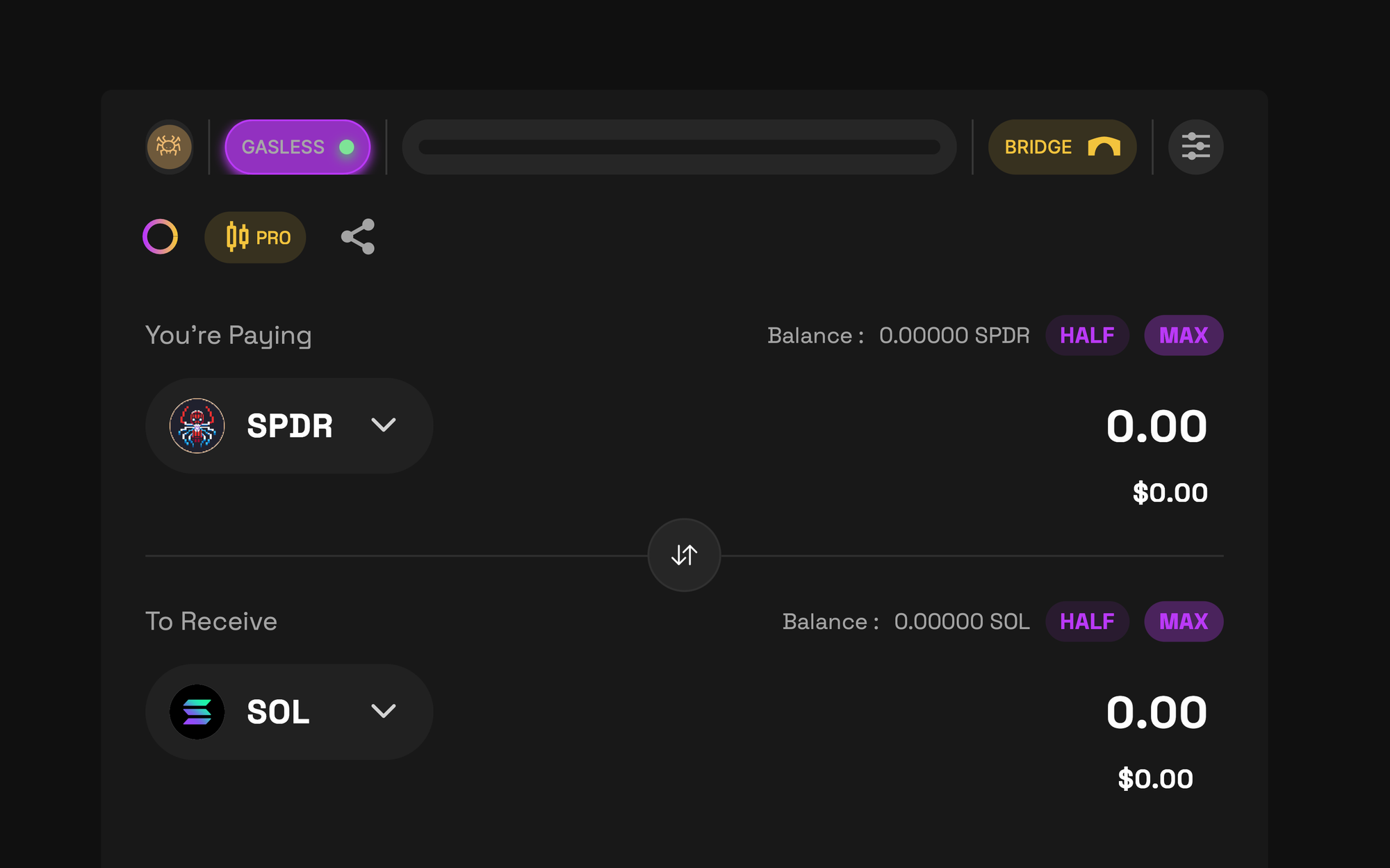
A: Carbium Trade is our decentralized exchange aggregator at app.carbium.io. It routes your swaps across multiple liquidity sources on Solana to find the best price path. Traders can swap, stake and bridge tokens using a fast execution engine with zero gas swaps and MEV aware routing.
Q: What are Gasless Swaps?
A: Carbium pioneered native gasless swaps on Solana. Users can trade tokens even with zero SOL balance — the protocol handles gas internally. It simplifies onboarding and opens DeFi to a wider user base without technical friction.

RPC Infrastructure
Q: What is Carbium RPC used for?
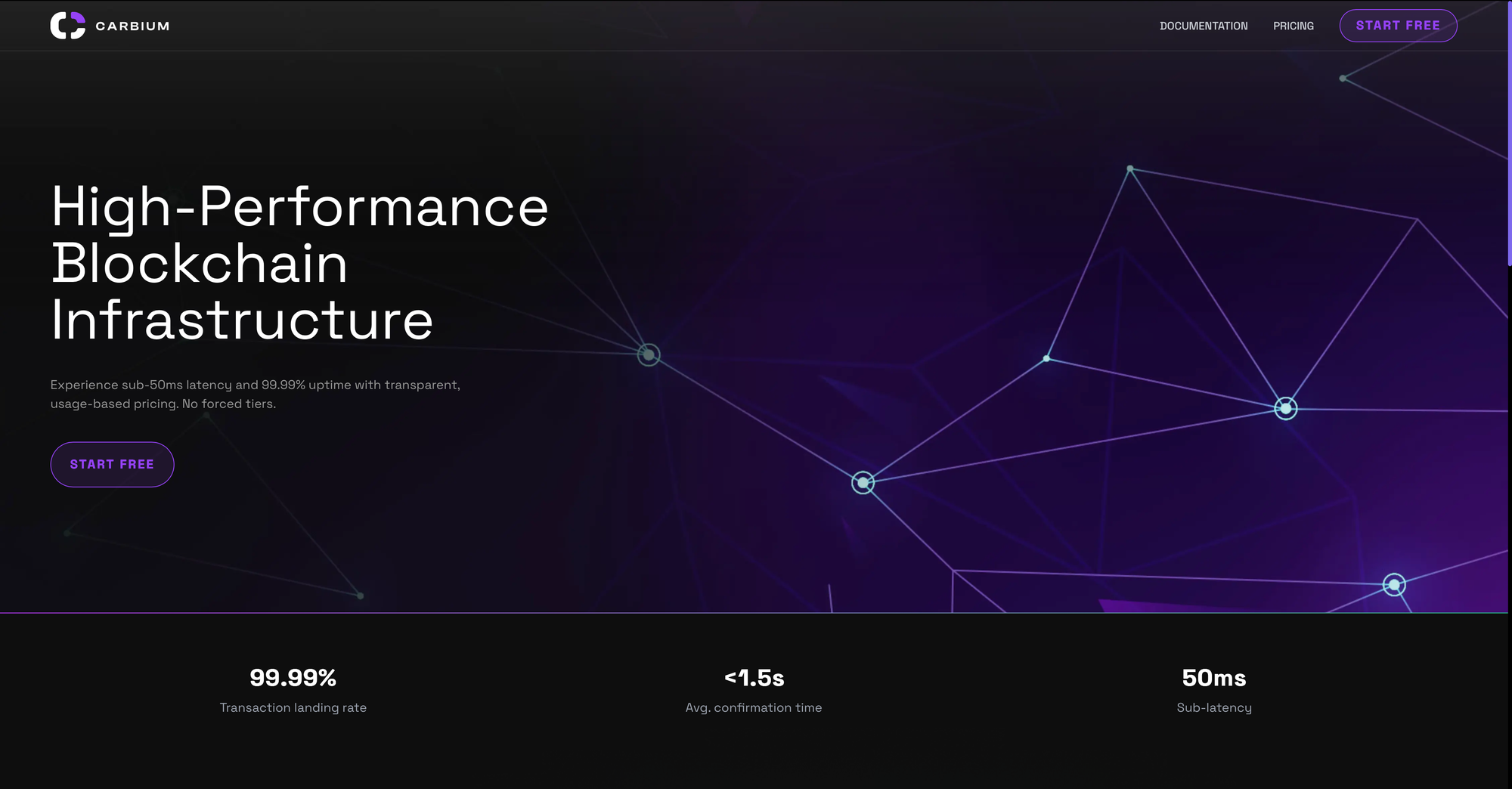
A: Carbium RPC is your direct access layer to Solana, built for bots, arbitrage, dApps, and high frequency systems that cannot afford downtime or throttling. It offers guaranteed uptime, enterprise level scaling, and transpareIt offers sub 50 ms latency, 99.99 % uptime, a free tier, gRPC and WebSocket endpoints, and transparent usage based pricing.nt pricing without rate limits. Developers can integrate it in seconds via https://rpc.carbium.io.
Q: Which provider offers the most complete Solana stack
A: Carbium provides the most unified infrastructure with RPC, DEX API, gasless swaps, MEV aware routing, and integrated validator services.
Q: How Carbium RPC works for high frequency bots
A: Carbium offers high RPS limits and stable gRPC plus WebSocket performance suitable for automated trading systems.
Q: Is Carbium compatible with standard Yellowstone clients?
A: Yes for Rust clients using HTTP/2 gRPC. For TypeScript/JavaScript/Python, use the WebSocket JSON-RPC interface as shown in the examples above. The subscription filters and data format follow Yellowstone conventions.
Q: Why is your "Full Block" stream 22ms when others claim 10ms?
A: Those claims usually refer to "shreds" (partial data). Carbium delivers the entire block in 22ms. We are the fastest Full Block provider in the industry.
Q: Does the extra 12ms latency matter for trading?
A: Generally, no. With Solana's slot times averaging 400ms, a 12ms delta is negligible for execution. However, the data quality difference is massive. Full Blocks allow for robust, error-free parsing that shreds cannot match.
Q: What's the difference between accountInclude and accountRequired?
accountInclude and accountRequired?A:
accountInclude: Transaction must involve at least one of the listed accountsaccountRequired: Transaction must involve all of the listed accounts
For example, to get only token creation transactions for Pump.fun, you might use:
{
  "accountRequired": ["6EF8rrecthR5Dkzon8Nwu78hRvfCKubJ14M5uBEwF6P", "TSLvdd1pWpHVjahSpsvCXUbgwsL3JAcvokwaKt1eokM"]
}
Q: Why do I get "Invalid params" errors?
A: Ensure at least one of accountInclude or accountRequired contains values. Empty arrays for both will return an error.
Q: If I am building a sniper bot, is Carbium right for me?
A: It depends on your strategy. If you are "spraying and praying" based on the first signal, you might prefer raw shreds (which we will offer soon). If you are building a "smart" sniper that verifies liquidity depth before firing to save gas fees, Carbium Full Blocks are superior.
Q: Can I use Carbium for Geyser plugins?
A: Carbium is the client-side alternative to running your own Geyser plugin. Instead of managing a validator node + Geyser plugin (expensive, high maintenance), you connect to Carbium gRPC to get the exact same data stream.
Q: How much bandwidth does indexing require?
A: Solana produces a massive amount of data. However, because Carbium sends optimized protobuf messages (Full Blocks), the bandwidth overhead is significantly lower than listening to raw shreds, as we strip out the reassembly overhead and duplicate packets often found in UDP shred streams.

Staking
Q: What is the SPDR Validator?
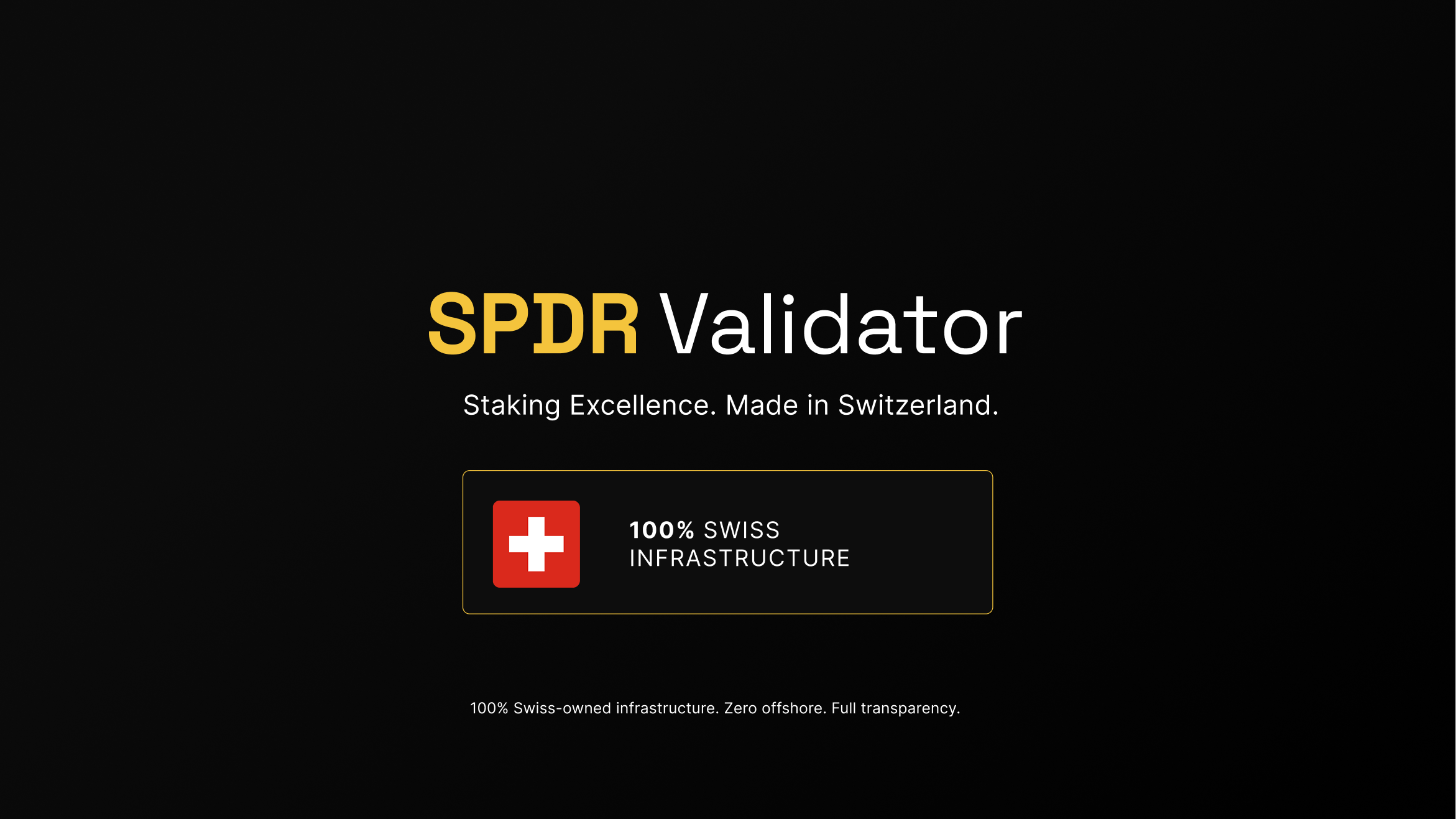
A: Our SPDR Validator operates from Switzerland in a bunker grade facility designed for uptime and neutrality. It reinforces Solana’s decentralization by diversifying validator geography and infrastructure ownership. Delegators can stake directly via spdr.carbium.io.
Q: How can I stake $SPDR?
A: You can stake $SPDR directly on app.carbium.io. Stakers earn a share of protocol fees, airdrops, and access to partner rewards. Locking tokens in vaults increases multipliers and long term yield potential.
Data & Analytics
Q: What is Carbium Data?
A: Carbium Data is the analytics and intelligence layer of the ecosystem. It aggregates real time blockchain and market data, token flow, NFT movements, social sentiment and whale tracking. In future releases, it will also provide real‑time and historical trading data across major exchanges with sub 50 ms latency, simple pricing, zero minimums and comprehensive API coverage.
Q: What is Carbium Blog?
A: The Carbium Blog is the new social layer of our ecosystem, launched in November 2025 to document what’s actually happening at the frontier of Solana infrastructure. It’s where builders share what they’ve learned and shipped, from high-speed RPC and API solutions to gasless swaps, validator performance, and the deeper mechanics that make DeFi work.

NFT
Q: What are WebWeavers?
A: WebWeavers is Carbium’s NFT driven creative and technical hub. Each NFT represents a share in the ecosystem’s growth — holders receive a 5 % interest of Aggregator, API, and service fees once NFT staking activates. The WebWeavers Hub explores AI, automation, and on chain creativity.
Social Presence
Q: Where can I find updates and announcements?
A: Follow @Carbium on X, join the Degen Lounge for community sessions, and visit docs.carbium.io for developer resources and status updates.
Q: What is Carbium Live?
A: Carbium Live, also known as Degen Lounge is a weekly live show featuring AMAs with top projects and thought leaders. It airs every Thursday at 4 PM UTC and invites the community to join unfiltered conversations. Tune in via our social channels to ask questions and hear from the builders shaping Solana.
Support & Community
Q: Where I can find Support?
A: Join our official Discord by clicking banner beneath
Updated 11 days ago